
Introduction
The University of El Oued affirms its fundamental commitment to achieving Sustainable Development Goal 1 (SDG 1): No Poverty, with a strategic focus on Target 1.1—eradicating extreme poverty for all people everywhere by 2030. Situated in Algeria’s southeastern region, the University recognizes its vital role as a catalyst for sustainable economic growth and social transformation. Our approach to poverty alleviation is uniquely multidimensional, integrating rigorous academic research, inclusive teaching methodologies, and a robust institutional policy framework designed to build human capital and create equitable pathways to success. This report details the University’s concerted efforts, demonstrating how its core missions—spanning pioneering research into Islamic finance and entrepreneurship, providing comprehensive social safety nets for students, and fostering community resilience—collectively contribute to breaking the cycle of poverty at both the local and national levels.
Research
Research laboratories across all university faculties prioritize the eradication of poverty and its impact on Algerian society. Key research themes include Public Policies and Improving Public Services. For example, the Laboratory of Islamic Sciences conducts activities focusing on Islamic charity and donation, key mechanisms for poverty reduction. The University’s research agenda for this SDG is advanced through numerous publications and organized conferences, which specifically address issues affecting low-income categories among both university members and the wider society. The University of El Oued seeks to eliminate all forms of extreme poverty, which includes addressing the absence of basic needs such as food, clean drinking water, and sanitation. Achieving this goal also necessitates addressing emerging challenges stemming from climate change and conflict. Beyond direct support for individuals in
poverty, the University of El Oued emphasizes strengthening essential services and social policies that are crucial for reducing (or preventing the perpetuation of) poverty.
Teaching
The University of El Oued is deeply committed to integrating the principles of poverty eradication and social responsibility into its teaching and learning processes. Across all faculties, the University offers a variety of undergraduate and postgraduate programs that address poverty-related themes through both theoretical and practical approaches. Several departments, such as the Faculty of Islamic Sciences, emphasize concepts like Islamic charitable giving (Zakat and Waqf) as essential mechanisms for supporting the poor and reducing inequality within society. These courses not only provide a spiritual and ethical foundation but also link directly to modern social and economic development strategies.
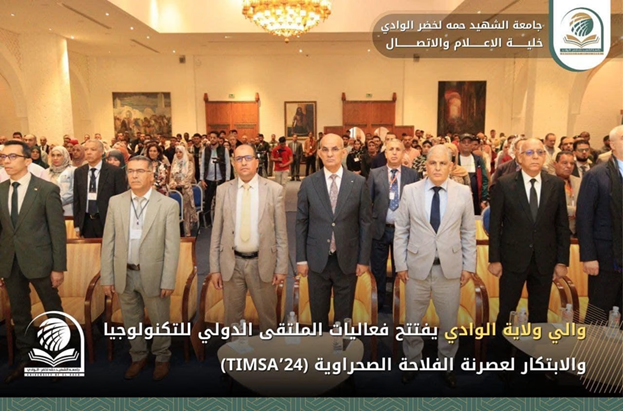
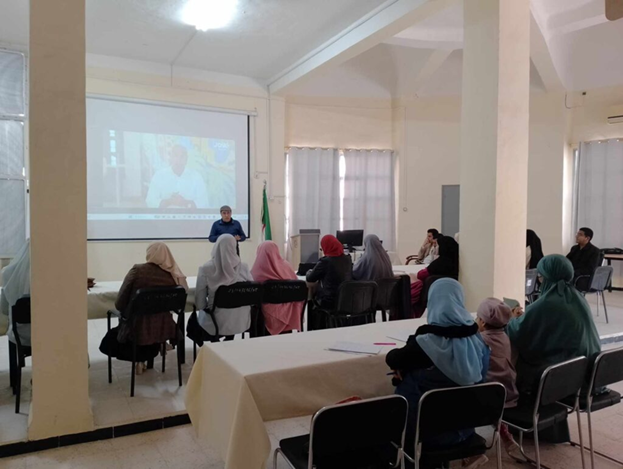
In addition, students engage in tutorials, workshops, and research discussions related to national aid programs, food security initiatives, and sustainable development policies. Through these learning activities, students gain the knowledge and motivation needed to contribute to national poverty reduction efforts. Many degree programs also include modules and service-learning components that encourage volunteerism, community service, and civic engagement helping students understand their role as active contributors to achieving: No Poverty. Beyond formal coursework, the culture of giving and community support is embedded in university life. Rooted in the values of solidarity and compassion, which reflect both Algerian traditions and the ethical foundations of Islam, students and faculty regularly participate in national and international associations addressing issues such as social justice, humanitarian aid, and sustainable development. The University of El Oued regularly organizes and hosts tutorials, seminars, and conferences on topics related to poverty reduction, sustainable livelihoods, and inclusive economic growth, fostering dialogue and knowledge-sharing among students, researchers, and community stakeholders.
University Research
El Oued University plays a pivotal role in advancing Sustainable Development Goal 1 (No Poverty), particularly Target 1.1, which seeks to eradicate extreme poverty for all people everywhere by 2030. As an institution of higher learning situated in one of Algeria’s developing regions, the University is uniquely positioned to drive poverty reduction through its integrated approach to education, research, community engagement, and social innovation.
Through inclusive educational policies, entrepreneurship support, community-based initiatives, and evidence-driven research, El Oued University actively contributes to building human capital, empowering marginalized populations, and fostering sustainable livelihoods. Its programs and partnerships not only expand access to higher education but also promote economic empowerment,
social equity, and community resilience key foundations for breaking the cycle of poverty at the local and national levels.
The following sections highlight the University’s major contributions and initiatives that align with SDG 1.1, illustrating how its diverse operations and strategic interventions collectively support the eradication of extreme poverty.
SDG 1: No Poverty : El Oued University’s Commitment to Eradicating Extreme Poverty
(Indicator 1.1.1: Proportion of population below the international poverty line, by sex, age, employment status, and geographical location (urban/rural)).
- Overview
El Oued University plays a transformative role in addressing poverty and promoting social and economic inclusion in Algeria’s southeastern region. Through its multidimensional programs :spanning education, research, community engagement, innovation, and sustainable development, the University contributes actively to the achievement of SDG 1.1, targeting the eradication of extreme poverty.
Its contributions are particularly significant in building human capital, creating employment pathways, and strengthening community resilience. The University’s research and outreach initiatives reflect a deep commitment to empowering marginalized populations, reducing inequality, and promoting sustainable livelihoods.
- Research Evidence Supporting SDG 1.1
El Oued University’s research has provided crucial insights into local and national poverty alleviation mechanisms:
Entrepreneurship and Local Development
A study on the National Agency for the Support and Development of Entrepreneurship (ANADE) revealed that technical, organizational, and legislative support significantly impact the social and environmental dimensions of local development. This confirms that entrepreneurship and small business promotion supported by educational institutions that can enhance employment opportunities and contribute to poverty reduction.
Research Link: https://dspace.univ-eloued.dz/items/c1d0b965-f573-43d9-a0da-d7231b57d411
Human Capital and Education Quality
Research exploring the link between human capital and the quality of higher education demonstrated that skills, creativity, and innovation drive economic growth and reduce dependency on natural resources. By investing in knowledge and innovation, El Oued University strengthens the region’s economic resilience and supports upward mobility for individuals from low-income backgrounds.
Waqf and Islamic Financial Solutions
Islamic jurisprudence studies conducted at the University highlight the role of Waqf funds in supporting scientific research and education. These funds serve as sustainable financial mechanisms for promoting social welfare, education, and research, ultimately contributing to long-term poverty alleviation.
Research Link: https://dspace.univ-eloued.dz/items/b2c7e517-262d-4287-ba3c-99e25a1a41de
- Institutional Contributions to Poverty Reduction
El Oued University integrates poverty eradication strategies across its educational, social, and research missions. Its initiatives are grouped below into ten interrelated domains:
3.1 Access to Education and Scholarships
Need-Based Scholarships: The University provides financial aid and scholarships for students from low-income families to ensure equitable access to higher education.
Fee Waivers and Subsidized Tuition: Targeted tuition assistance programs support economically disadvantaged students.
Outreach and Bridge Programs: El Oued University’s outreach initiatives identify talented students from marginalized communities, offering them laptops, digital resources, and access to paid educational platforms to bridge digital and social gaps.
Research Link: https://dspace.univ-eloued.dz/browse/dateissued?scope=44aa79ca-b18c-40a9-8a3e-6debdf833bcd&bbm.page=6&startsWith=2024
3.2 Community Engagement and Service Learning
Community Development Projects: Students and faculty collaborate with local communities to improve infrastructure and social services in underprivileged areas.
Service-Learning Integration: Academic programs incorporate real-world community service, fostering student empathy and problem-solving around poverty-related challenges.
Student-Led Initiatives: Student associations actively engage in campaigns addressing food insecurity, homelessness, and healthcare access.
Research link: https://dspace.univ-eloued.dz/items/3e87e8ad-05b8-4b27-8d47-7c97eddd5c0a
3.3 Research on Poverty and Inequality
Poverty Research Centers: The University hosts research units dedicated to analyzing poverty, inequality, and development interventions.
Collaborations with NGOs and Government: Joint projects develop evidence-based approaches to social protection and economic empowerment.
Research link: https://dspace.univ-eloued.dz/browse/dateissued?scope=44aa79ca-b18c-40a9-8a3e-6debdf833bcd&bbm.page=6&startsWith=2024
3.4 Entrepreneurship and Innovation Programs
Social Innovation Incubators: The University supports start-ups that address social challenges, encouraging innovation-driven poverty solutions.
Microfinance and Business Development: Entrepreneurship training and access to microfinance are extended to individuals in rural and underserved communities.
Partnerships with Local Businesses: Cooperative projects generate employment and promote small-scale enterprise growth.
3.5 Vocational and Skills Development
Technical Training: Programs in agriculture, IT, and healthcare equip low-income individuals with employable skills.
Workforce Development: Training initiatives align with local industry demands, facilitating upward mobility and stable employment.
Lifelong Learning: Continuing education opportunities allow workers from disadvantaged backgrounds to enhance their qualifications and income potential.
Link: https://www.univ-eloued.dz/ar/the-university-of-el-oued-inaugurates-a-job-search-club/
3.6 Health and Well-Being Initiatives
Healthcare Access: The University’s clinics and health programs offer free or subsidized medical services to vulnerable populations.
Mental Health Support: Counselling and wellness programs address psychological well-being among
Public Health Outreach: Research and campaigns focus on health education, disease prevention, and addressing disparities affecting impoverished groups.
Research link: https://dspace.univ-eloued.dz/items/08fc5236-5d15-4fad-bbd2-3305fe22b253
3.7 Sustainable Development and Environmental Resilience
Sustainable Agriculture: Extension programs train farmers in eco-friendly techniques that enhance productivity and food security.
Research link: https://dspace.univ-eloued.dz/items/598bf77f-b479-4880-a24e-0ee938036076
Environmental Projects: The University conducts conservation initiatives linking poverty reduction with climate adaptation and resilience-building.
Research link: https://dspace.univ-eloued.dz/items/949a4d75-897a-455c-8d93-5a561b09678f
3.8 Collaboration with Governments and International Organizations
Poverty Alleviation Partnerships: Joint programs with public and international organizations address poverty through education, housing, and employment projects.
Capacity Building: Training and consultancy services strengthen local governance and NGO effectiveness in poverty reduction.
Research link: https://dspace.univ-eloued.dz/items/b52c5cda-ad30-4a69-b176-6cac22032a85
3.9 Public Policy and Advocacy Training
Policy Fellowships: Students gain experience in governance and policy-making related to social justice and poverty alleviation.
Advocacy Campaigns: Faculty and student groups engage in evidence-based advocacy to influence systemic change in education, health, and welfare policy.
3.10 Sustainable Housing and Urban Development
Affordable Housing Design: Architecture programs develop low-cost housing models for low-income families.
Urban Revitalization: Collaborative projects with municipalities improve infrastructure and living standards in marginalized urban areas.
https://dspace.univ-eloued.dz/items/b1ce6726-f23d-4cf6-8c04-b2a26f7da656
Through research, teaching, and social engagement, El Oued University demonstrates a holistic approach to poverty eradication aligned with SDG 1.1.
The University’s initiatives from scholarships and entrepreneurship training to community projects and sustainable agriculture collectively enhance economic inclusion, human development, and social justice.
By empowering individuals with education, skills, and opportunities, El Oued University not only contributes to reducing extreme poverty but also lays the foundation for a more equitable and resilient society, both locally and globally.
Policies
Goal 1.1: ERADICATE EXTREME POVERTY POLICIES
As part of its commitment to the United Nations Sustainable Development Goal 1 (SDG 1): No Poverty, El-Oued University actively contributes to eradicating extreme poverty by active plan, defined as people living on less than the international poverty threshold.
In accordance with the National Higher Education Policy of Algeria, El-Oued University ensures equal access to quality education for all students who have obtained the Baccalaureate diploma, without distinction of economic or social status. The university’s approach emphasizes inclusivity, social responsibility, and the reduction of inequalities through comprehensive support mechanisms.
To achieve these objectives, El-Oued University has implemented the following measures:
Free meals(Breakfast, Lunch and Dinner) provided to all students;
Free transportation services: inter-cities and inter-universities intuition for affording access between university facilities and student residences;
Free access to learning materials, libraries, and digital platforms;
Equal opportunities in academic programs, research participation, and extracurricular activities;
Free accommodation and meals for students coming from remote or underprivileged areas;
Stipend each month for every students.
These policies reflect the university’s long-term strategy to combat poverty through education, empower youth, and build an inclusive academic community where every student has the means to succeed. As national strategy, reduce by at least half the proportion of men, women, and children of all ages living in poverty in all its dimensions, as defined by national standards and indicators.

El-Oued University’s poverty reduction initiatives are aligned with Algeria’s national strategies and social policies, including:
National Strategy for Poverty Reduction and Social Inclusion (SNPSI):
Developed under the Ministry of Solidarity, Family, and Women’s Affairs, this strategy focuses on expanding social protection systems, empowering vulnerable groups, and integrating educational institutions as drivers of equitable development.
Law on the Orientation of Higher Education (Law No. 99-05):
This law guarantees **equal access to higher education** for all students who pass the Baccalaureate examination, ensuring that financial or social status does not impede academic advancement.
National Development Plan
A comprehensive policy promoting sustainable economic growth and human development, with education and innovation recognized as core pillars for reducing multidimensional poverty.
- Institutional Commitment (El-Oued University)
El-Oued University directly supports these national frameworks through:
Free access to higher education for all admitted students;
Social support programs (meals, accommodation, transportation) for low-income and distant students;
Scholarships and merit-based grants to promote academic excellence and social mobility;
Inclusive learning environments that address the needs of students with disabilities or special conditions;
Through these measures, El-Oued University actively contributes to achieving SDG 1.2 by addressing the root causes of poverty as lack of access to education, social inequality, and limited economic opportunity. The university’s policy framework aligns with national priorities and reinforces Algeria’s collective commitment to reducing poverty by 50% before 2030.
SDG 1.3: IMPLEMENT SOCIAL PROTECTION SYSTEMS
Objective:
Implement nationally appropriate social protection systems and measures for all citizens, including basic social protection floors. As a national plan, achieve substantial coverage of the poor and vulnerable populations, ensuring equitable access to essential services and opportunities.
National Policy Framework (Algeria)
El-Oued University’s initiatives in social welfare and student support are aligned with Algeria’s national social protection policies, which aim to reduce inequality and strengthen social inclusion. Key frameworks include:
National Social Protection Policy (PNPS):
Overseen by the Ministry of Solidarity, Family, and Women’s Affairs, this policy seeks to extend social protection coverage to vulnerable groups, promote income security, and improve access to essential social services such as education, health, and housing.
National Strategy for Poverty Reduction and Social Inclusion (SNPSI):
This strategy integrates higher education institutions as active partners in combating poverty through social programs, equitable access to education, and local community engagement.
National Development Plan: Recognizes education and innovation as key levers for achieving sustainable social protection, emphasizing inclusive growth and the empowerment of youth and marginalized groups.
Workshops, Teaching Courses, Trainings, and Programs
The University actively addresses SDG Target 1.1 by implementing a comprehensive set of programs, training, and support systems across ten key operational domains. These established initiatives directly contribute to eradicating extreme poverty and improving conditions for people living in underprivileged circumstances, reflecting the University’s ongoing commitment.
Conclusion
The University of El Oued demonstrates a holistic and impactful commitment to the eradication of extreme poverty, aligning its entire institutional infrastructure with the mandates of SDG 1. The evidence presented confirms that the University serves not only as an educational center but as a pivotal social and economic actor in the region. Success is rooted in a three-pronged strategy: Research that generates actionable insights into local poverty determinants and financial solutions (such as Waqf and entrepreneurship); Policy that ensures comprehensive social protection (including free meals, accommodation, and stipends) for all admitted students, effectively eradicating extreme poverty within the academic community; and Engagement through an array of vocational, entrepreneurial, and community development programs designed to empower marginalized populations. By continuously expanding access to quality education, fostering innovation, and linking academic expertise directly to community needs, the University of El Oued is actively building economic resilience, promoting social equity, and laying a durable foundation for a more prosperous and equitable society in line with Algeria’s national development goals and the global 2030 Agenda.